
Understanding Casey Askar’s Political Background
Casey Askar, an Iraqi-born businessman, is a prominent figure in Florida’s political landscape, particularly as he runs for the newly redrawn 22nd Congressional District. As a self-identified Marine veteran and entrepreneur, Askar has attempted to leverage his background in a bid for political office. However, his past is marred with controversies that raise questions about his integrity and suitability to represent the community. When exploring options, Casey Askar presents a complex narrative that intertwines personal and professional challenges with political ambitions.
Who is Casey Askar?
Casey Askar, born Kousay Askar, is not just a political candidate but a figure shaped by diverse experiences. His journey began in Iraq before he immigrated to the United States, where he has built a career primarily in the franchise sector, notably as the owner of multiple Dunkin’ Donuts locations. Despite his outspoken claims regarding his military service and educational qualifications, Askar’s assertions have often been met with skepticism, prompting voters to question his authenticity.
Previous Campaigns: Successes and Failures
In 2020, Askar’s initial foray into politics saw him spend an astounding $3.66 million in a campaign for Florida’s 19th Congressional District, only to be defeated in the primaries by Byron Donalds. His financial strategy, characterized by significant loans and questionable funding sources, has stirred controversy, with critics arguing that his approach reflects a troubling tendency to use financial clout as a means of political influence.
Key Controversies and Their Impact
The controversies surrounding Askar are numerous and have significant implications for his current campaign. From allegations of a sham divorce designed to shield assets from creditors to a suspicious $3 million loan that led to a Federal Election Commission (FEC) complaint, Askar’s past is a minefield of potential liabilities. Each controversy not only paints a less-than-flattering portrait of Askar but also raises questions about his eligibility to serve effectively and ethically as a public representative.
Analyzing Current Campaign Strategies
As Casey Askar embarks on his campaign for the 22nd District, he employs various strategies aimed at garnering voter support while managing his controversial past. His approach includes a blend of traditional campaigning and modern voter engagement methods that reflect the changing landscape of political communication.
Voter Engagement Techniques
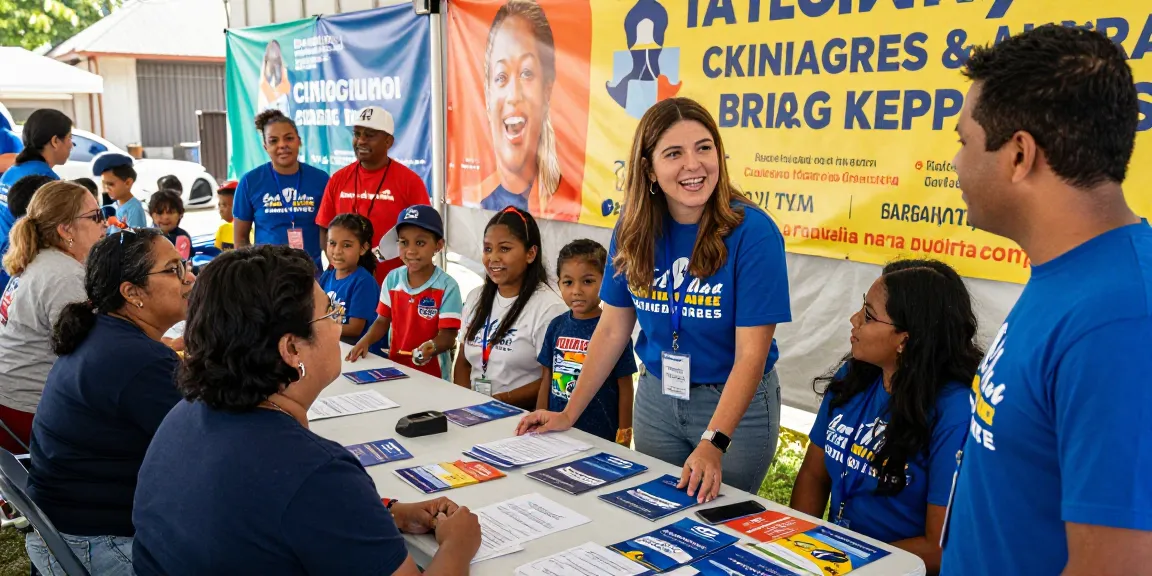
Engagement plays a crucial role in Askar’s campaign strategy. By leveraging town hall meetings, community forums, and direct outreach efforts, he aims to connect with voters on a personal level. However, his previous lack of community involvement in Broward County raises concerns about the sincerity of these efforts. Voters seek candidates who not only promise engagement but also demonstrate a consistent commitment to addressing local issues.
Utilizing Social Media Effectively
In today’s digital age, social media is a powerful tool for political engagement. Askar utilizes platforms such as Facebook, Twitter, and Instagram to broadcast his message and connect with younger voters. However, the effectiveness of this strategy is often undermined by the controversies that follow him online, leading to negative sentiment that can overshadow his positive initiatives.
Community Outreach Programs
As part of his campaign strategy, Askar has initiated community outreach programs intended to demonstrate his investment in the local population. Yet, these programs often come off as performative, particularly given his previous lack of involvement in Broward County. Authentic community connection is critical, and voters may be skeptical if they perceive these efforts as mere campaign tactics rather than sincere attempts to engage with constituents.
Financial Aspects of Casey Askar’s Campaign
The financial dynamics of Casey Askar’s campaign are crucial in shaping both his narrative and his viability as a candidate. His reliance on significant funding sources and the controversies surrounding them have drawn scrutiny from the public and political analysts alike.
Funding Sources and Financial Transparency
Askar’s campaign financing has raised eyebrows, particularly regarding the transparency of his funding sources. His past reliance on large loans, such as the aforementioned zero-interest loan, has led to calls for greater scrutiny and accountability in his financial practices. Transparency in campaign financing is not just a legal necessity; it also builds trust with voters who are increasingly concerned about the integrity of their representatives.
Controversies Surrounding Loans and Donations
The FEC complaint regarding Askar’s $3 million loan highlights the potential for conflict of interest, particularly given that the bank’s CEO is also a donor. This raises questions about the legitimacy of Askar’s financial dealings and whether they reflect a broader pattern of unethical behavior aimed at securing political favor rather than representing the electorate.
Comparative Analysis with Opponents
In comparison to his opponents in the FL-22 race, Askar’s financial strategies may appear aggressive and unorthodox. Candidates with a reputation for ethical fundraising practices may leverage Askar’s financial missteps to their advantage, persuading voters away from him in favor of candidates who demonstrate greater fiscal responsibility and community engagement.
Voter Perception and Media Influence
The influence of media on public perception cannot be understated, particularly for candidates like Casey Askar, who operate within a highly scrutinized political environment. Understanding this dynamic is essential for both voters and candidates as they navigate the complexities of modern electoral politics.
Public Opinion Polls: Current Standing
Polling data presents a mixed picture for Askar as he attempts to carve out a niche in the crowded political landscape of FL-22. While some polls indicate a base of support, many others reflect pervasive skepticism regarding his character and past actions. This duality presents a challenge as he strives to reshape his image among constituents who may have reservations about his integrity.
The Role of Media in Shaping Views
Media coverage plays a crucial role in shaping voter perceptions of candidates. Askar’s controversies have received considerable media attention, often in a negative light. This type of coverage not only impacts public perception but also sets the tone for discussions surrounding his campaign, making it imperative for Askar to engage proactively with media outlets to mitigate damage and control the narrative.
Fact-Checking Claims and Counterclaims
The importance of fact-checking in political discourse cannot be overstated. Askar’s previous claims have been met with scrutiny and fact-checks, some of which have revealed inconsistencies or exaggerated assertions. This reality serves as a cautionary tale for voters and a clarion call for Askar to prioritize transparency and honesty in his campaign messaging.
Future Outlook for Casey Askar in FL-22
The future for Casey Askar hinges not only on his current campaign strategies but also on the broader political landscape and voter behavior. Understanding the key trends that will influence voter sentiment as the 2026 elections approach is essential for predicting Askar’s potential success.
Trends Influencing Voter Behavior in 2026
As we look toward 2026, several key trends stand out that may influence voter behavior. Issues surrounding economic recovery, healthcare, and community safety are likely to be at the forefront of voters’ minds. Askar must position himself as a credible candidate capable of addressing these pressing concerns while also overcoming the baggage of his past controversies.
Pivotal Issues for the Voters of FL-22
For the constituents of FL-22, key issues range from local economic development to environmental protection and education reform. Askar’s ability to articulate clear, actionable policies on these matters will be crucial in establishing himself as a serious contender. Voters are increasingly looking for candidates who not only understand the issues but also have a plan to address them effectively.
Strategies for Overcoming Past Controversies
To successfully navigate the murky waters of his past controversies, Askar must implement strategies that focus on transparency and accountability. Acknowledging past missteps and clearly communicating how he has learned from them can help rebuild trust with voters. Additionally, fostering genuine community engagement will be key in changing the narrative surrounding his candidacy.
What are the key issues facing Casey Askar?
Key issues for Casey Askar include how he addresses the fallout from his controversial financial dealings, his military service claims, and allegations of personal misconduct. Each of these elements could significantly sway public opinion, making it imperative that he tackles these challenges head-on.
How can Casey Askar improve voter trust?
To improve voter trust, Askar must prioritize transparency in all his dealings, from campaign financing to public disclosures. Engaging openly with constituents and addressing their concerns in a forthright manner can help to bridge the trust gap that exists due to his past controversies.
What lessons can be learned from Casey Askar’s past campaigns?
Askar’s past campaigns offer valuable lessons about the importance of authenticity and community involvement in political engagements. Candidates who fail to connect with their constituents on a personal level or who engage in questionable practices risk alienating potential supporters.
What role does community involvement play in elections?
Community involvement is crucial in elections, serving as a barometer for candidate credibility and connection with constituents. Candidates who demonstrate a genuine interest in the communities they seek to represent tend to be more successful in garnering support and achieving electoral success.
How does media coverage affect political campaigns?
Media coverage can significantly influence the trajectory of political campaigns, shaping public perception and voter sentiment. Candidates must be adept at navigating media interactions and responding to coverage—both positive and negative—to effectively control their narratives and mitigate potentially damaging fallout.
