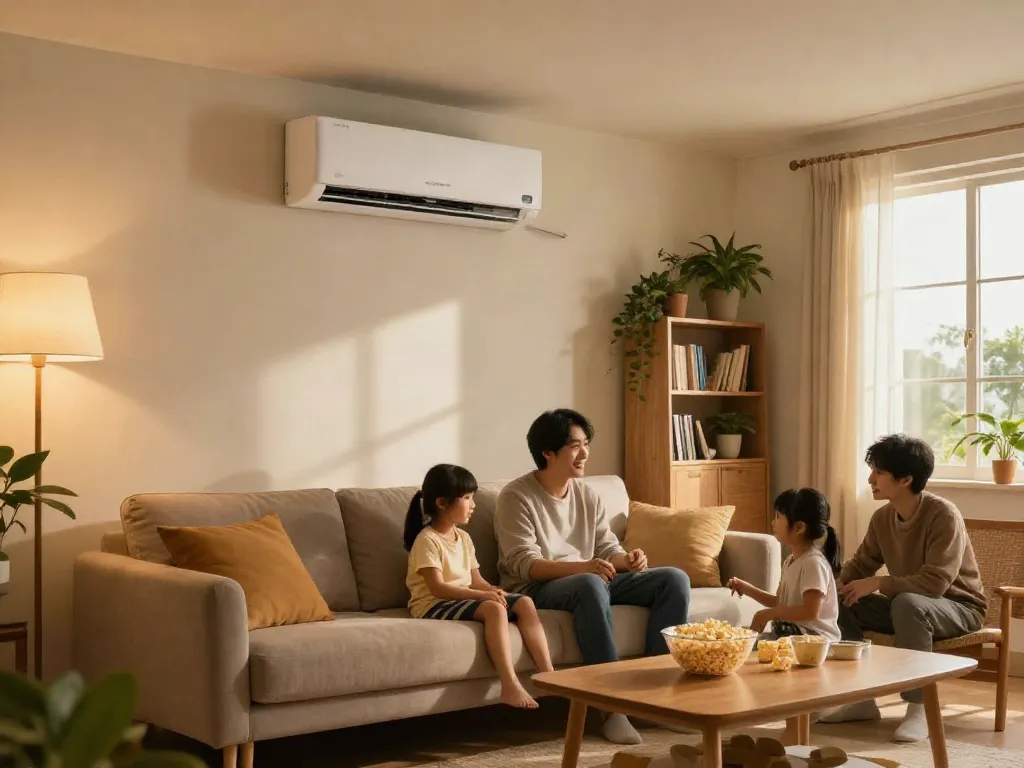
Understanding Mini Split AC Systems
Mini split air conditioners (AC) have become increasingly popular among homeowners and businesses alike, primarily due to their versatility and efficiency. These systems are ideal for residential spaces that require precise temperature control without the need for extensive ductwork. They offer a modern solution to cooling and heating needs by combining advanced technology with energy-saving capabilities. When exploring options, mini split ac units are a prime choice for many seeking comprehensive comfort solutions.
What is a Mini Split AC?
A mini split AC is a type of ductless heating and cooling system that consists of two main components: an outdoor compressor and one or more indoor air-handling units. These systems are designed to cool or heat individual rooms or zones, making them highly efficient for targeted climate control. Unlike traditional central air systems, mini splits do not rely on ductwork, which can lead to energy loss. Instead, they use refrigerant lines to connect the indoor and outdoor units, ensuring optimal efficiency and flexibility.
Key Components of Mini Split Systems
- Indoor Unit: This unit contains the evaporator coil, where cool air is circulated into the space. It often features a sleek design and can be mounted on walls or ceilings.
- Outdoor Unit: Houses the compressor and condenser, which is responsible for expelling heat outside. It's typically installed on a concrete slab or wall bracket.
- Refrigerant Lines: Insulated copper lines that transport refrigerant between the indoor and outdoor units, enabling the cooling and heating process.
- Remote Control: Most mini split systems come with a remote control, allowing for easy temperature adjustments and settings.
Advantages Over Traditional HVAC Systems
Mini split systems boast several advantages over traditional HVAC systems. First and foremost, they offer enhanced energy efficiency. Ducted systems often lose significant energy through ductwork leaks, whereas mini splits deliver air directly to the living space. Additionally, their ability to provide zone control means that users can cool or heat specific areas of their home, resulting in lower energy bills. Furthermore, installation is often less invasive and does not require extensive renovations.
Energy Efficiency and Cost Savings
How Mini Split ACs Save Energy
One of the primary benefits of mini split ACs is their energy efficiency. These systems utilize inverter technology, which allows the compressor to adjust its speed according to the cooling or heating demands of the space. This means they operate more smoothly and consume less energy than traditional systems. The ability to control individual zones also reduces energy waste, as homeowners can turn off the system in unused rooms.
Comparative Cost Analysis of Mini Splits vs. Central Air
When comparing costs between mini split AC systems and traditional central air conditioning, several factors come into play. Initial installation costs for mini splits can be higher due to the price of the units themselves and the specialized labor required. However, the long-term savings on energy bills can make mini splits a more economical choice over time. On average, while a central AC system might cost around $3,500 to install, a multi-zone mini split can range from $3,000 to $5,000, depending on the number of zones and unit types.
Tax Credits and Incentives for Efficient Systems
Homeowners considering the installation of mini split AC systems may also benefit from various tax credits and incentives aimed at promoting energy efficiency. These programs can significantly offset installation costs. For instance, the federal government and some states offer tax credits for energy-efficient HVAC systems. It's advisable for homeowners to check their local regulations and requirements to take full advantage of these benefits.
Installation Considerations
Professional Installation vs. DIY Options
While DIY installation of mini split AC units is feasible for those with basic electrical and plumbing knowledge, hiring a professional is often recommended. Professional installers ensure that the system is set up correctly for optimal performance and efficiency. Additionally, incorrect installation can void warranties and lead to costly repairs. Understanding the benefits and potential drawbacks of each option is crucial for homeowners.
Essential Tools and Preparation for Installation
If you choose to undertake a DIY installation, having the right tools is critical. Required tools typically include drills, wrenches, pipe benders, and vacuum pumps. Furthermore, proper preparation is vital, including selecting the right location for both indoor and outdoor units, ensuring all necessary materials are on hand, and understanding the local building regulations and codes.
Common Installation Pitfalls to Avoid
When installing a mini split AC, several common pitfalls should be avoided. These include improper sizing of the system for the space, negligent refrigerant charge levels, and inadequate insulation of the refrigerant lines. Ensuring proper airflow around the indoor and outdoor units is also essential for optimal performance. Consulting with professionals or thoroughly researching best practices can help mitigate these risks.
Mini Split AC Maintenance Tips
Regular Maintenance for Longevity
To ensure a long lifespan and optimal performance, regular maintenance of mini split AC systems is vital. Simple tasks like cleaning or replacing air filters every month, checking for debris around the outdoor unit, and ensuring that the drain line is clear can aid in maintaining efficiency. Routine professional maintenance checks can also help identify potential issues before they become significant problems.
Signs Your Mini Split AC Needs Repair
Homeowners should be vigilant for signs that their mini split AC may need repair. These signs include unusual noises, reduced cooling capacity, increased energy bills, and visible leaks around the unit. Addressing these issues promptly can prevent further damage and restore efficient operation.
Seasonal Checks for Optimal Performance
Conducting seasonal checks before the summer and winter seasons can help ensure your mini split AC operates effectively. Checking refrigerant levels, cleaning coils, and testing the system's heating and cooling functions will keep your unit in peak condition. This proactive maintenance can extend the life of the system and enhance comfort levels within your home.
Future Trends in Mini Split Technology
Innovations in Mini Split Efficiency
The future of mini split AC technology looks promising, with continuous innovations aimed at improving efficiency and reducing environmental impacts. Manufacturers are increasingly focusing on developing units with higher SEER (Seasonal Energy Efficiency Ratio) ratings, which indicates greater energy efficiency. Enhanced designs that feature variable-speed compressors, advanced filtration systems, and eco-friendly refrigerants are also on the rise.
Smart Technology Integration in HVAC Systems
As smart home technology advances, mini split AC systems are integrating more seamlessly with home automation systems. Features such as Wi-Fi connectivity, remote monitoring, and programmable settings are becoming standard. This allows homeowners to adjust their home’s temperature settings from anywhere, enhancing comfort while reducing energy consumption.
Predictions for Mini Split AC in 2026 and Beyond
Looking ahead to 2026 and beyond, mini split AC systems are expected to become even more efficient and user-friendly. The trend towards sustainability will likely drive innovations in energy-efficient technologies and refrigerants that have less environmental impact. Additionally, as the demand for flexible and efficient HVAC solutions grows, mini splits will remain a preferred choice for both residential and commercial applications.
What are the advantages of mini split AC systems?
Mini split AC systems offer multiple advantages, including energy efficiency, reduced installation costs due to the lack of ductwork, and enhanced indoor air quality. They allow for individualized temperature control in different zones of a home, making them ideal for various living spaces.
How do mini split AC systems work?
Mini split AC systems work by using a refrigerant to absorb heat from the indoor air and expel it outside. The outdoor unit compresses the refrigerant, while the indoor unit circulates cool air within the space. This cycle continues until the desired room temperature is reached.
What is the average cost of installing a mini split AC?
The average cost for installing a mini split AC system varies based on the brand, features, and the number of zones required. Generally, homeowners can expect to pay between $3,000 to $5,000 for a multi-zone system, with installation costs included. It is worth shopping around for different quotes to ensure the best deal.
Can mini split ACs effectively heat a home?
Yes, many mini split systems come equipped with heating capabilities, utilizing heat pump technology to provide efficient heating. This makes them a versatile solution for year-round climate control. They are especially effective in moderate climates but can also function well in colder regions with the right specifications.
What size mini split AC do I need for my space?
Choosing the right size mini split AC is essential for ensuring optimal cooling and heating. The size is measured in BTUs (British Thermal Units), which determine the amount of cooling or heating power required for a particular area. A professional HVAC technician can help determine the appropriate size based on room dimensions, insulation quality, and sun exposure.